American democracy suffers from low voter turnout By Luke Perry
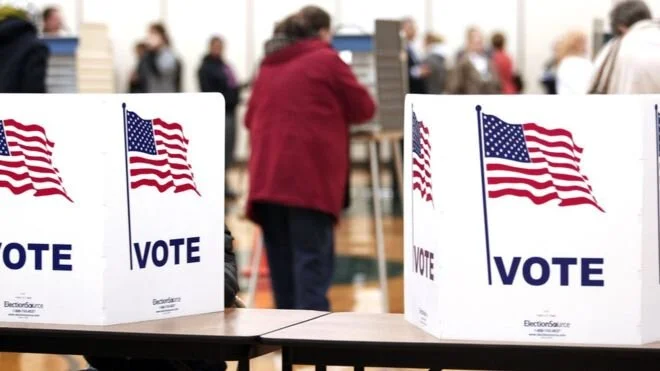
Elections are a numbers game. Here are a few you probably heard before. Donald Trump won in 2024 with over 77 million votes outperforming Kamala Harris 49.8 percent to 48.3 percent. On the surface, this appears like nearly half of Americans voted for him.
In fact, 77 million votes comprised just 32 percent of the voting eligible population. Turnout was slightly better in 2020, but the dynamic was similar. Just 33 percent of the voting eligible population voted for Joe Biden.
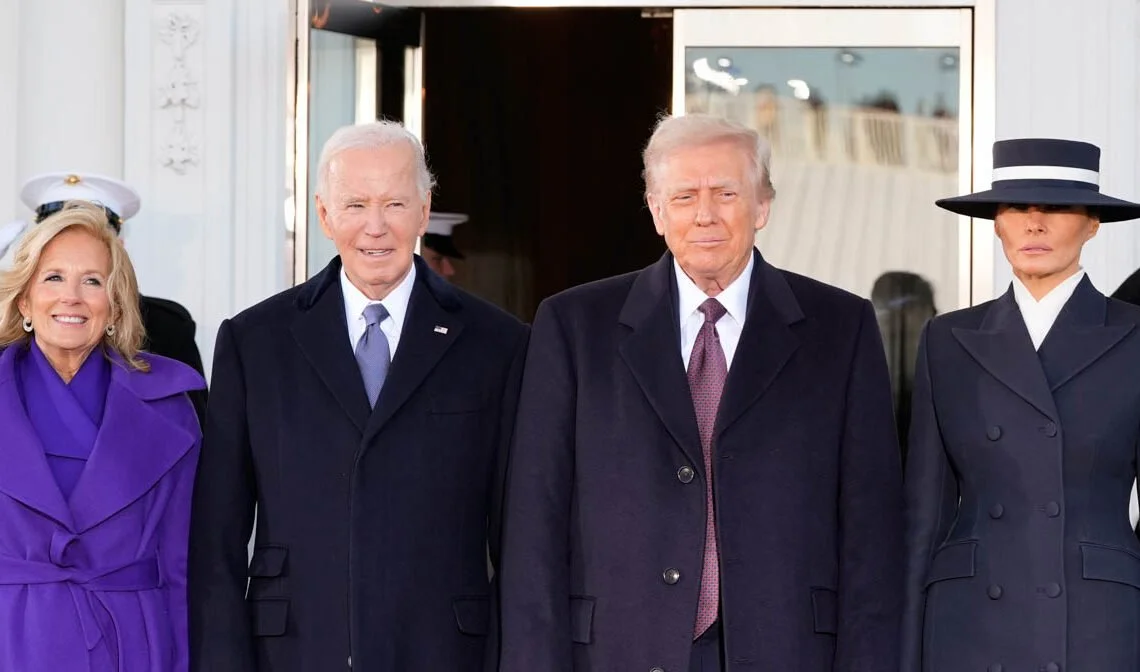
Photo from U.S. embassy in Montenegro
Midterm turnout is lower than presidential elections. Just 46 percent of eligible adults voted in the last midterm. This was the second highest rate since 1980, behind Trump's 2018 midterm with 50 percent turnout. Remarkably, control of the House and Senate this week will be secured by votes from approximately 1 in 4 of us.
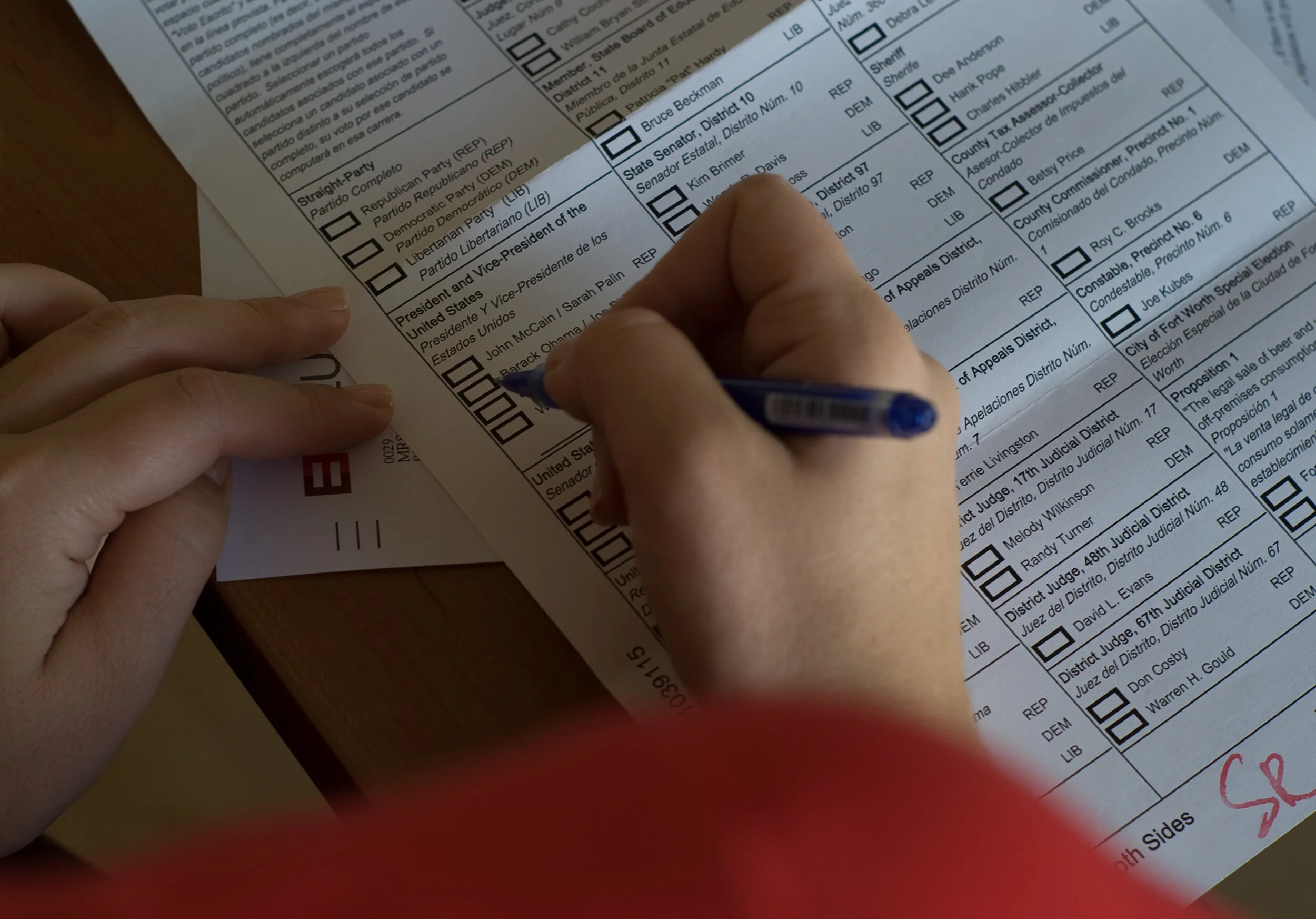
We need to make it simpler and more convenient to vote. This starts with registration. Most democracies require the government to register eligible adults. We require citizens to do this in one of our 50 different state electoral systems.
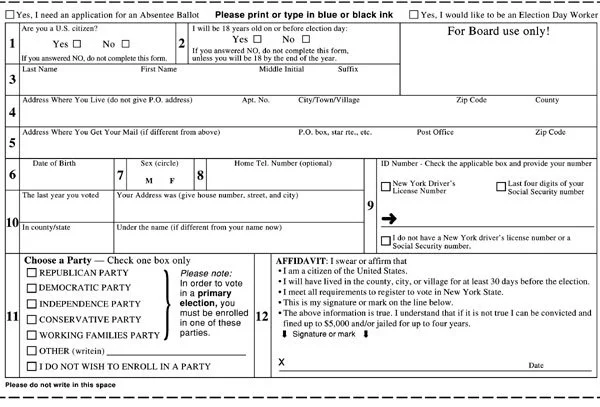
Photo from NY Assembly
We need to recognize that democracies depend on a well-educated and civically engaged middle class. Just 39 percent of people over 25 have a college degree, while the middle class has shrunk by 10 percent over the last 50 years.
We need to reverse this trend and prioritize higher education. In addition to acquiring vital skills and knowledge, a degree enables upward mobility. College graduates make 75 percent more throughout their careers (over $1.2 million on average) than non-college graduates.
Voting in this election is important, but only the first step in helping to sustain our democracy.
Luke Perry, Ph.D., is Distinguished Professor of Political Science at Utica University