How AI data centers are challenging noise laws By Mark Scalise
As AI continues grows in popularity around the world, more data centers must be built to process the enormous amounts of information and tasks being asked of each AI chatbot. Residents living near these data centers across the United States are becoming increasingly upset, filing complaints and lawsuits over the constant noise being generated by the data centers. This raises questions about whether existing laws regarding noise and public nuisances are equipped to handle the constant, annoying sound generated 24/7 by AI data centers.
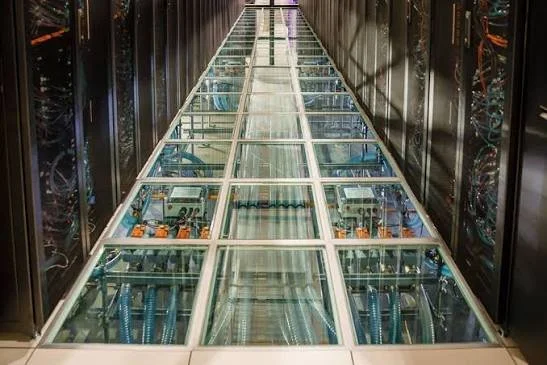
Data centers operate 24/7 and rely on a massive amount of servers, cooling systems, ventilation equipment, power generators, and other modern technology crucial for supporting the facilities. Those who live near these AI data centers often report hearing a continuous low-frequency sound. Unlike the occasional sounds of traffic or construction, data center noise persists at all hours of the day.
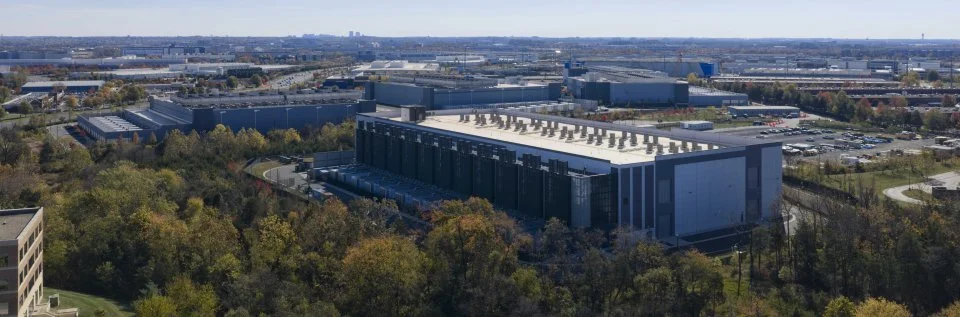
Photo from E.P.A.
The legal controversy surrounding this issue revolves around existing laws and whether they address this type of disturbance or not. On the federal level, lawmakers have recognized the importance of regulating noise as it can become an environmental concern. While the subject of noise and noise pollution is recognized on the federal level, it is largely left to the state and local governments, which host these data centers, operating under noise ordinances that were written well before the rise of AI data centers.
One of the most significant areas of concern emerges from Virginia, where the largest concentration of data centers exists. In Prince William County, there have been debates to update local noise regulations as residents voiced their concerns about the noise emerging from nearby data centers. The debate raises the question of whether local communities should invest in technology if it negatively affects their quality of life.

Manassas, VA (from wikipedia)
Many complaints entered the courtroom through nuisance lawsuits. Under traditional nuisance law, property owners may seek legal relief when another party’s activities interfere with the use and enjoyment of their property. While new cases are emerging involving AI data centers, there have been prior cases involving bitcoin mining facilities where the plaintiffs complained about the noise and environmental damage, all consistent with problems arising from AI data centers. The plaintiffs in this case won their lawsuit. (Petition)
Residents often report sleep disruption, persistent noise, and concerns about property value declining. The problem is becoming more widespread nationwide, with residents of New Jersey pursuing legal action over the excessive sound pollution from nearby facilities.
As the demand for AI continues to increase, data centers will likely become more common across the country. Local governments will ultimately be forced to determine whether their existing noise ordinances and nuisance laws will be sufficient to combat data centers or whether new regulations are required. While the debate over AI data centers grows into one of the first major legal conflicts revolving around AI, it is worth noting that society has started to depend more on AI technology, and the infrastructure used to support the technology requires real space and affects real communities.
Mark Scalise is a Political Science student at Utica University