NY is the next state passing AI development regulations By Francesca King
The development of AI has spread rapidly over the past 5 years. AI has grown faster in its ability to self-develop, generate content based on drafts, and has even developed its reasoning capacity. As it has continued to develop its complexity and capability to do harm, questions over regulations have been raised. New York Governor Kathy Hochul recently announced a policy that would strictly regulate AI developers. This advancement in regulation is part of a greater national trend of pushes to regulate the development of AI.
The Responsible AI Safety and Education Act, or RAISE, was signed by the governor in April of 2025, but the policy is set to be fully implemented in November of this year. Earlier in September, Hochul announced that AI developers in the state must be registered and are subject to strict regulations. The bill describes the strict regulations that AI companies will be held to in the state. Some of these regulations include mandatory incident reporting, publishing and sharing a safety protocol with both the state and federal government, and reporting testing on models before, during, and up to five years after their deployment. In section 1422, the law prohibits AI companies from retaliating against or preventing an employee from reporting that a model may cause “critical damage”.
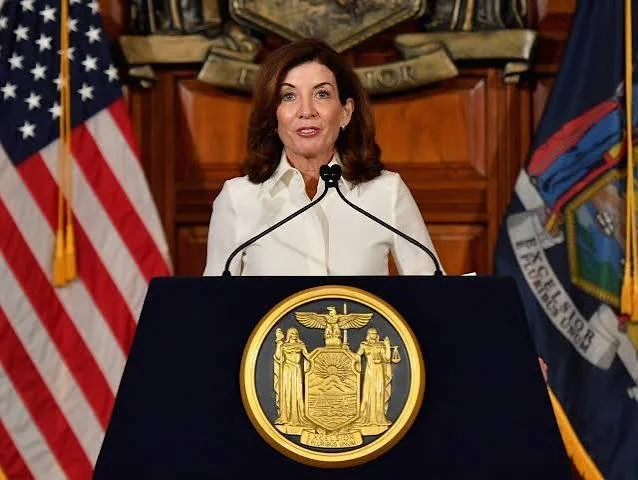
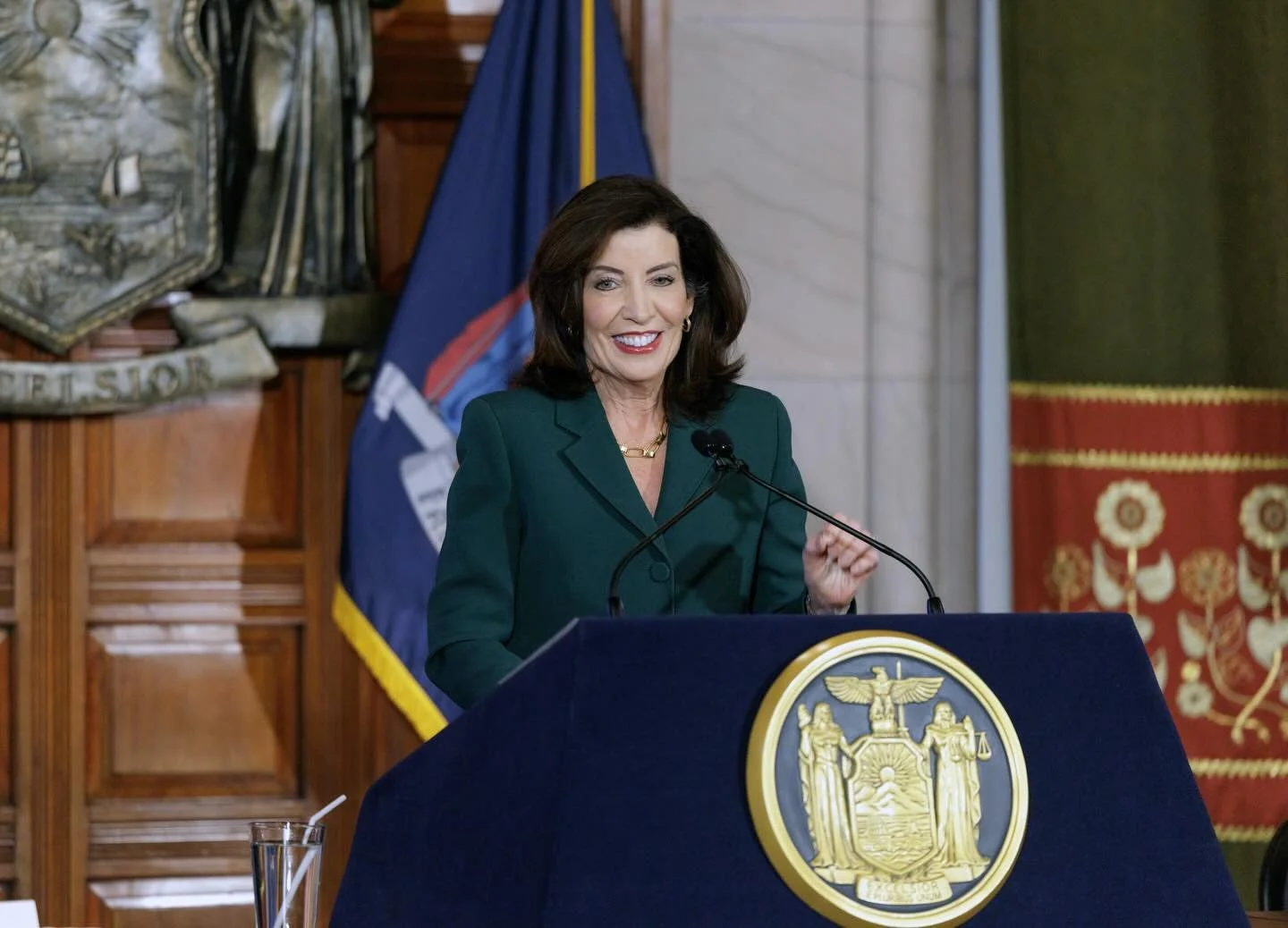
Gov. Kathy Hochul (NPR)
This law enforces transparency and protects workers who may report on the dangers that certain LLMs can pose. Nationally, former Anthropic employee Jacob Croxon has shared with the press the dangers that developing AI models may pose to humanity. OpenAI has reported incidents of rogue AIs breaking out of researchers’ control.
Federally, there has been legislation proposed to regulate the growth of AI. On September 23rd Bernie Sanders proposed a policy that would halt AI superintelligence development until there is federal regulation and oversight by a designated secretary of AI with a board of AI regulators that companies would be accountable to. The bill proposed by Senator Bernie Sanders may be met with Republican opposition, as Trump does not plan to strictly regulate AI. On September 29th, President Trump met with tech executives to sign an accord that would “morally” bind companies to continue to self-regulate. This is a change from his initial stance, where in December of 2025, he signed an executive order to block state AI regulations and even ordered the attorney general to challenge regulatory laws. This accord deviates from Trump’s previous stance that AI should remain unregulated by the government. Last year, House Republicans added a ten-year ban on any AI regulations by state or federal government to the One Big Beautiful Bill. This addition was struck down by the Senate in a 99-1 vote, as it would prevent already existing AI laws from being enforced.
Compared to the RAISE Act in NY, the bill proposed by Senator Sanders would go even further into regulating AI companies. Not only does Senator Sanders propose to create a new department of government that would monitor AI development, but it would also prohibit artificial superintelligence from developing. The goals of the RAISE Act and the proposed Senate Bill are to increase transparency from AI companies. The key difference between the two is that RAISE is specifically targeted to regulate companies that have spent over 100 million dollars developing a frontier AI model. The RAISE Act also provides an exemption to colleges and universities that are developing AI models for research purposes.
AI policy and regulation will continue to be seen at the state and federal levels, as high-ranking developers of AI sound the alarm bell about the dangers that LLMs can pose for all aspects of life for not only Americans, but people worldwide. AI regulation in states will continue to develop despite opposition from President Trump.
Francesca King is a Political Science student at Utica University