The rising electoral threat of deep fakes By James Faggiano
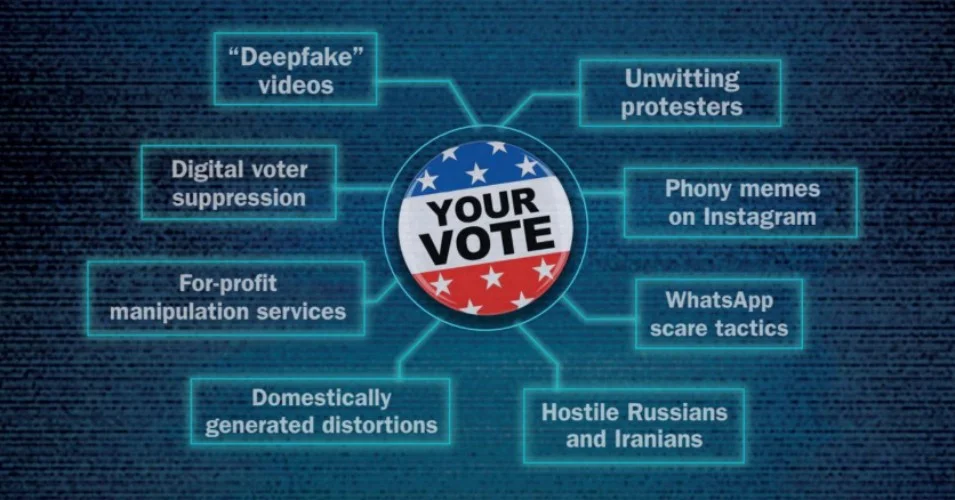
AI deepfakes have become extremely advanced, posing risks to political candidates' reputations. This can be seen in cases like Slovakia and Turkey, where politicians had their credibility and reputations tarnished due to AI deepfakes. Previously, AI was less powerful, and deepfakes were easy to spot due to constant inconsistencies with the presentation and obvious clues that pointed to the information being false.
Deepfakes are now extremely hard to spot and people more often fall for them. These commonly take the form of fake videos and images that spread misinformation about a particular person in an attempt to ruin their reputation or spread false messages.
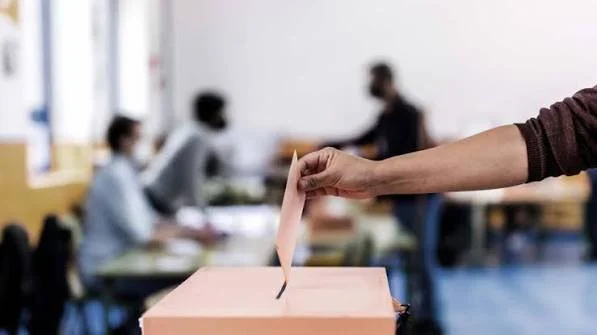
Photo from vote.gov
Timing plays a major role in when these AI deepfakes are released. A convincing deepfake released mere days before the election pose of a greater impact on voter decision-making. Emotions too play a major role in AI deepfakes. A video or audio clip can trigger a deep emotional response regarding a sensitive subject making it feel more believable and more likely to be shared.
A large problem associated with AI deepfakes is declining trust in media. This erosion favors actors who thrive in distrust, paranoia, and chaos, and tends to harm minority and women candidates who are more vulnerable to cultural challenges.

Photo from the Department of Defense
There are a few helpful things to consider in evaluating if something is a deepfake. Many social media sites have their own AI detection technology that tags a post when AI-generated content is detected. These typically produce a labels of “AI Generated Content.”
Poor background quality is often a clue. AI-generated content struggles to keep the background consistent and accurate. As a result, it may change throughout or look out of order in an image. Another major way to spot a deepfake involves the person who is being shown in the video or image. Oftentimes, AI struggles to keep human features consistent, which may result in an unusual number of fingers or teeth. The person themselves can become distorted at times, especially when movement takes place.
James Faggiano is a Political Science student at Utica University