Over 19,000 Ukrainian children unlawfully deported to Russia By Jordan Conestabile
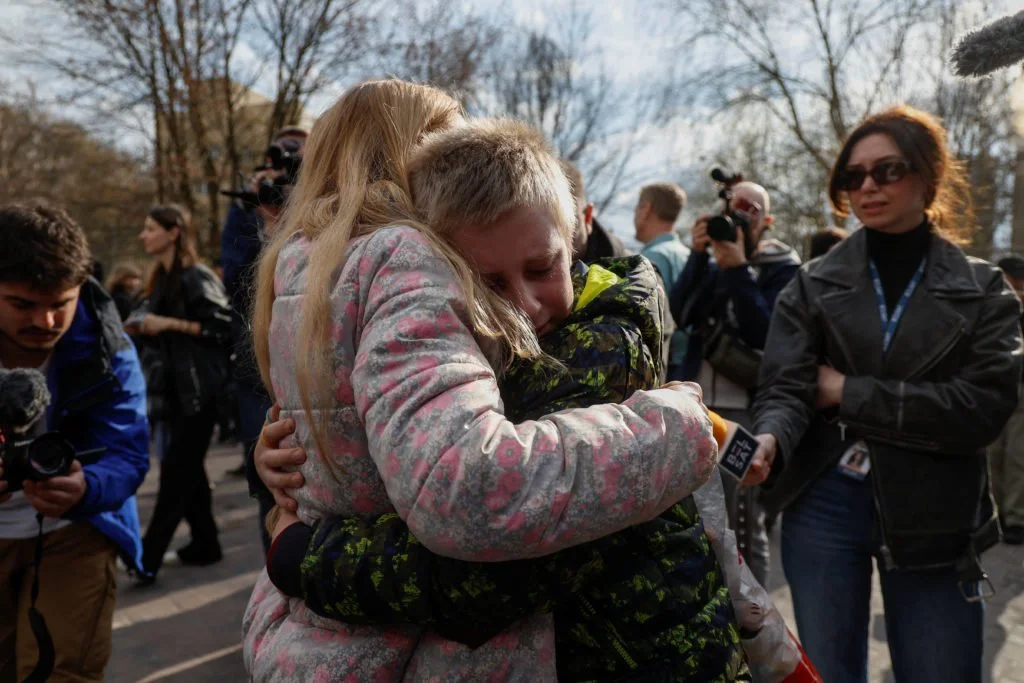
The Ukrainian government, supported by international bodies such as the United Nations and the International Committee of the Red Cross (ICRC), reports that more than 19,000 children have been unlawfully removed from Ukrainian territories under Russian occupation. Only 1,236 children have been returned to Ukraine. The actual number of children still in Russia is likely significantly higher. These children are reportedly being subjected to systematic re-education programs, forced Russification, adoption by Russian families, or placement in state care with altered identities, raising grave concerns about their welfare and the future of an entire generation.
Access by Ukrainian or neutral humanitarian agencies to these children remains severely restricted, hindering efforts to locate and repatriate them. The forced deportation and illegal adoption of Ukrainian children by Russian authorities constitute serious violations of international law, including war crimes under the Geneva Conventions and the Rome Statute, as well as breaches of the United Nations Convention on the Rights of the Child.
The adoption process, in particular, is designed to strip Ukrainian children of their heritage. Ukrainian names and birthplaces are replaced with Russian birth certificates and documentation, effectively erasing the child's Ukrainian identity and any paper trail that could assist Ukrainian authorities or family members in their search.
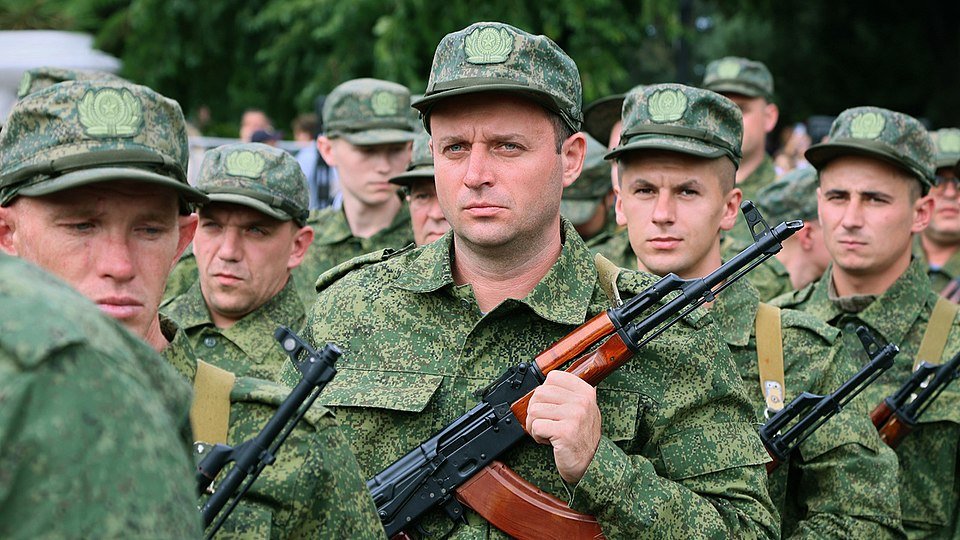
For teenage Ukrainian boys, the forced acceptance of Russian citizenship carries an additional, immediate threat: a near-certain military summons to fight in the Russian army against their own countrymen. This practice is another clear violation of international law. As former Ukrainian Children’s Rights Commissioner Mykola Kuleba starkly put it, these re-education programs are "death camps for Ukrainian identity."
Research by Yale’s Humanitarian Research Lab has identified at least 43 children’s camps across Russia housing deported Ukrainian children. Alarmingly, at least 32 of these facilities are explicitly designated as “re-education” camps. Russia is using these camps to indoctrinate Ukrainian children—punishing them for their Ukrainian identities and forcibly instilling pro-Russian sentiment through carefully curated, Kremlin-approved curricula and "military-patriotic" training courses. Ramzan Kadyrov, Head of the Chechen Republic and a close ally of President Putin, has openly lauded the "military-patriotic" training of abducted Ukrainian teenagers in Chechnya. Petras Auštrevičius, MEP (Liberal Movement, LT), underscored the severity of the situation, stating: “The abduction and deportation of Ukrainian children is part of Russia’s open aggression against Ukraine and attempts to erase Ukrainian identity. There are many horrifying examples of Ukrainian children being indoctrinated and russified.”

Photo from wikipedia
As the international community condemns these actions, efforts are underway to locate and repatriate the children. However, significant obstacles persist due to Russia’s lack of cooperation. The International Criminal Court (ICC) has already issued arrest warrants for Russian President Vladimir Putin and his Commissioner for Children’s Rights, Maria Lvova-Belova, for their alleged roles in the unlawful deportation and transfer of children from occupied areas of Ukraine to the Russian Federation.
The international community continues to exert pressure on Russia to cease these unlawful practices and to cooperate in the reunification of families. Holding perpetrators accountable through international legal mechanisms is essential to ensure justice and deter future violations, as an entire generation of Ukrainian children risks growing up in Russia, unaware of their true heritage.
Jordan Conestabile is a graduate student at the Rockefeller College of Public Affairs and Public Policy; University of Albany.